fire engineering
Q: discus different type of fire and fire extinguishing method.
A: fire is an exothermic chemical reaction between fuel and oxygen in the air which produces heat flame and light.
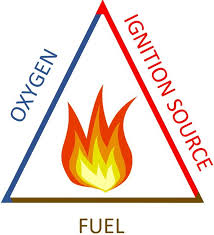
FIRE TRIANGLE
Combustion or burning is the sequence of exothermic chemical reactions between a fuel and an oxidant accompanied by the production of heat and conversion of chemical species. The release of heat can produce light in the form of either glowing or a flame.
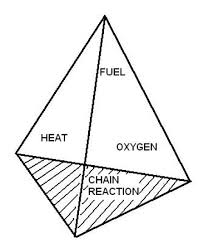
hence, the extinguishing methods would be.
removing any one side of the triangle.
ignition temperature - cooling
fuel - starvation
A: fire is an exothermic chemical reaction between fuel and oxygen in the air which produces heat flame and light.
FIRE TRIANGLE
Combustion or burning is the sequence of exothermic chemical reactions between a fuel and an oxidant accompanied by the production of heat and conversion of chemical species. The release of heat can produce light in the form of either glowing or a flame.
hence, the extinguishing methods would be.
removing any one side of the triangle.
ignition temperature - cooling
fuel - starvation
oxygen - smothering
chain reaction - chain breaking method
Fires must be fought carefully depending on the materials involved. That is why they have been classified in 6 different categories:
UK BASED CLASSIFICATION
- Class A – Fires that involve solid or organic materials, such as wood, plastics, paper, textiles, or coal.
- Class B – Fires that involve flammable liquids, such as gasoline, petroleum oil, paint, or diesel.
- Class C – Fires that involve flammable gases, such as propane, butane, or methane.
- Class D – Fires that involve combustible metals, such as magnesium, lithium, sodium, potassium, titanium, or aluminium.
- Class F – Fires that involve cooking oils and fats, such as vegetable oil, sunflower oil, olive oil, maize oil, lard, or butter (typically those used for deep-fat fryers).
- Class E - Although it is not recognized as a separate class of fire in Europe, electrical fires that involve live equipment and electrical sources are also a type you should bear in mind (think of it as an informal Class E; ‘E’ for electric to help you remember).
US BASED CLASSIFICATION
CLASS “A” FIRES - Ordinary combustibles such as wood, paper, cloth.
CLASS “B” FIRES - Flammable liquids such as oil, grease
CLASS “C” FIRES - Energised electrical equipment
CLASS “D” FIRES - Flammable Metals
CLASS " K " - for kitchen fir
Q: discuss storage, handling, transportation of explosive/flammable materials.
A:
Comments
Post a Comment